
Asksoul.me

Types of ADHD: Understanding Different ADHD Presentations

Published on July 23, 2026 by Sally

Opening Note

ADHD (Attention-Deficit/Hyperactivity Disorder) is often associated with difficulty focusing, impulsive behavior, or high energy levels. However, ADHD does not look the same for everyone. Understanding the different types of ADHD can help you recognize common patterns and gain a better understanding of yourself.

Types of ADHD: Understanding Different ADHD Presentations
Discover Your True PersonalityFeatured QuizDiscover Your True PersonalityStart Quiz
Essay 01

What Is ADHD?

ADHD is a neurodevelopmental condition that affects attention, self-control, organization, and activity levels. People with ADHD may experience challenges with focusing on tasks, managing responsibilities, controlling impulses, or regulating their energy. While ADHD is often discussed as a single condition, it can appear in different ways. Some people mainly struggle with attention and organization, while others experience more noticeable hyperactivity or impulsive behaviors. These differences are why experts describe several ADHD presentations.

Essay 02

ADHD Predominantly Inattentive Presentation

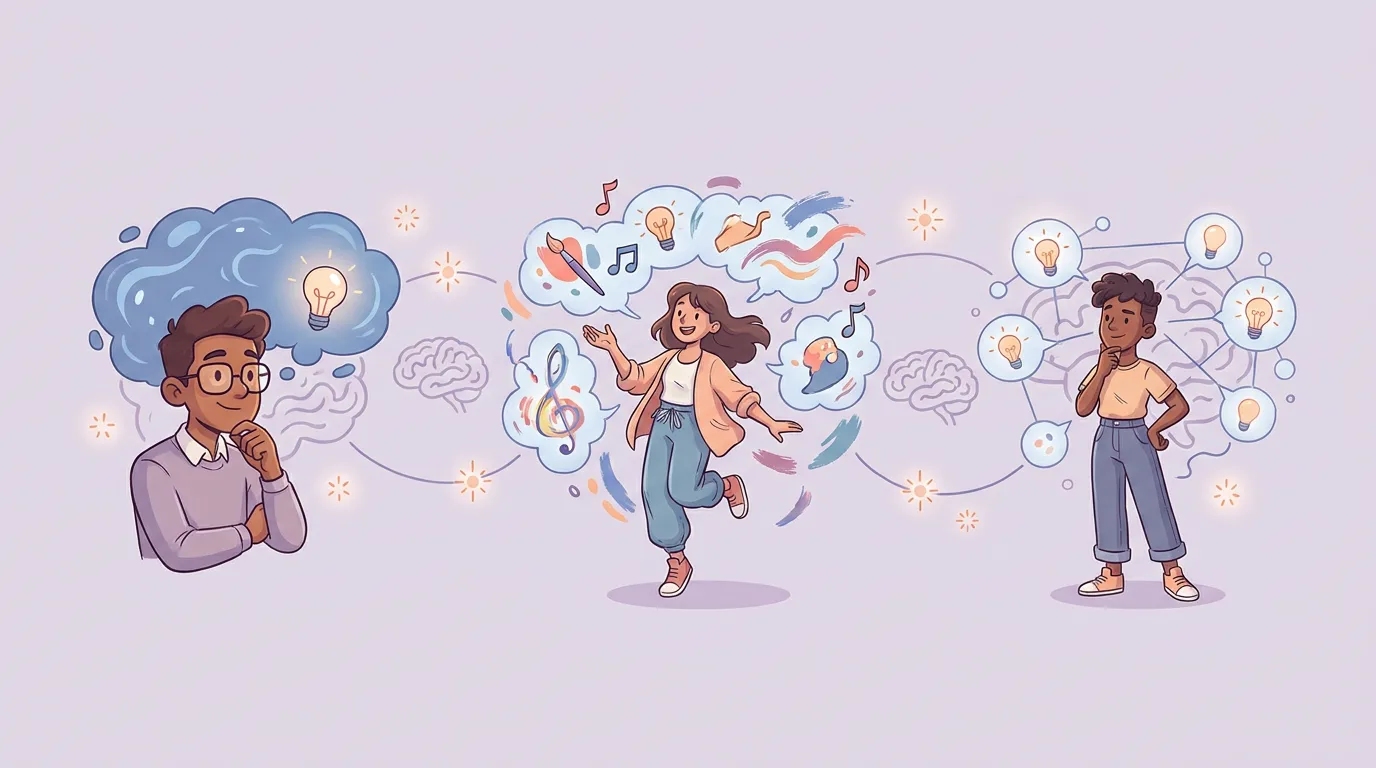
The inattentive type of ADHD is mainly related to difficulties with maintaining focus, staying organized, and completing tasks. People with this presentation may not appear overly active, which means their challenges can sometimes be harder for others to notice. Someone with inattentive ADHD may find it difficult to concentrate during long conversations, follow detailed instructions, or finish projects that require sustained attention. They may frequently lose track of important information, forget appointments, misplace belongings, or feel overwhelmed when managing multiple tasks. Many people with inattentive ADHD describe their minds as easily distracted or constantly moving between different thoughts. At the same time, they may also have strong creativity and the ability to think deeply about topics that interest them.

Essay 03

ADHD Predominantly Hyperactive-Impulsive Presentation

The hyperactive-impulsive type of ADHD is often connected with increased energy levels and difficulty controlling immediate reactions. People with this presentation may feel a strong need to move, speak, or act quickly. A person with hyperactive-impulsive ADHD may struggle with sitting still for long periods, waiting patiently, or stopping themselves before responding. They may interrupt conversations, make quick decisions, or feel like their thoughts and actions happen faster than they can manage. Although hyperactivity is often associated with physical movement, it can also appear as an internal feeling of restlessness. Some people may constantly feel the need to stay busy or find it difficult to relax.

Essay 04

Combined Presentation ADHD

Combined Presentation ADHD

Combined presentation ADHD includes characteristics of both inattentive and hyperactive-impulsive ADHD. People with this presentation may experience difficulties with focus, organization, impulsive decisions, and managing energy levels. For example, someone may struggle to complete tasks because they become distracted easily while also finding it difficult to slow down and stay patient. These combined challenges can affect school, work, relationships, and everyday routines. Because it includes a wider range of symptoms, combined presentation ADHD is one of the most commonly recognized forms of ADHD.

Essay 05

How ADHD Can Look Different in People

ADHD symptoms can vary significantly depending on a person's age, environment, personality, and responsibilities. A child with ADHD may have difficulty following classroom routines, while an adult may experience challenges with deadlines, planning, or maintaining daily habits. ADHD may also appear differently across genders. Some women and girls may experience more internal symptoms, such as difficulty concentrating, overthinking, or feeling mentally overwhelmed, rather than obvious hyperactive behaviors. Many people develop personal strategies to manage ADHD-related challenges. Supportive environments, healthy routines, and understanding personal strengths can all play an important role in daily life.

Essay 06

What Causes ADHD?

Researchers believe ADHD develops through a combination of genetic and environmental factors. Differences in brain development and how the brain manages attention and self-regulation may contribute to ADHD traits. Having ADHD does not determine a person's intelligence, creativity, or potential. Many people with ADHD are recognized for their curiosity, problem-solving abilities, imagination, and ability to approach situations from unique perspectives.

β€œEveryone's mind works differently, and exploring these differences can be a valuable part of personal growth.”

If this article made a difference.

If it helped you in any way, your support means a lot.

Thanks for your support!