Asksoul.me

Mental Age: What Does Your Psychological Age Reveal About You?

Published on July 21, 2026 by Sally

Opening Note

Have you ever felt younger or older than your actual age? Your mental age may reveal interesting insights about your personality, emotional maturity, and outlook on life. Take the Psychological Age Test to discover your unique mindset and learn more about how you think and feel.

Mental Age: What Does Your Psychological Age Reveal About You?
Psychological Age TestFeatured QuizPsychological Age TestStart Quiz
Essay 01

What Is Mental Age?

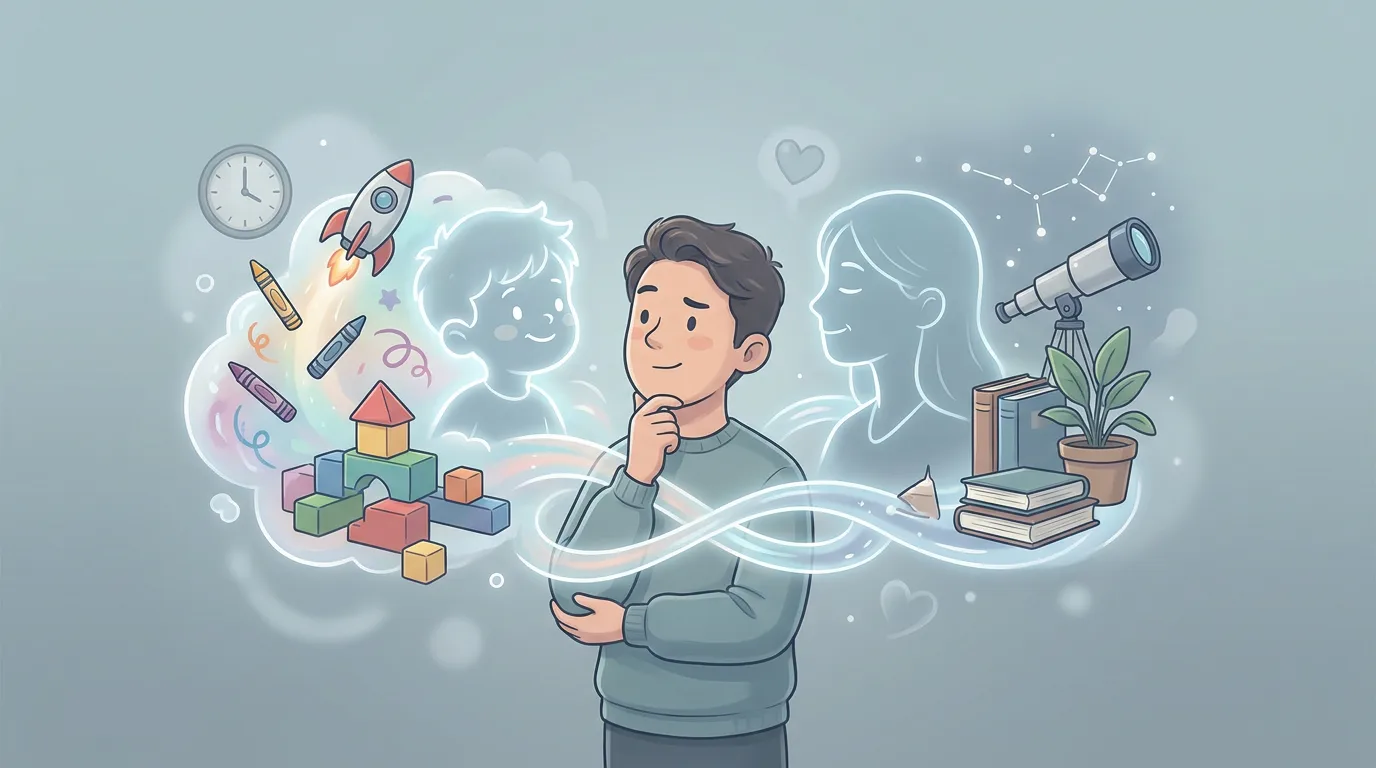
Mental age refers to the way a person thinks, feels, reacts, and approaches life compared with the average characteristics associated with different age groups. Unlike your biological age, which is determined by the number of years you have lived, mental age reflects your emotional maturity, habits, interests, and perspectives. The concept of mental age does not mean that someone is literally older or younger than their actual age. Instead, it describes the psychological qualities that influence how you experience the world. Someone in their twenties may have a very mature mindset, while someone older may still maintain a playful and curious approach to life.

Essay 02

Mental Age vs Actual Age: Why They Can Be Different

Your actual age and mental age do not always develop at the same pace. Life experiences, personal growth, environment, and relationships can all influence the way you think and respond to situations. Some people develop a strong sense of responsibility early in life because of their experiences, while others maintain a youthful curiosity and creativity even as they grow older. Neither approach is necessarily better because different mental ages represent different ways of seeing and interacting with the world.

Essay 03

Factors That Influence Your Mental Age

Factors That Influence Your Mental Age

Mental age is shaped by many aspects of your personality and life journey. The way you handle challenges, make decisions, manage emotions, and connect with others can all reflect your psychological development. A person who enjoys exploring new ideas, adapting to change, and seeing possibilities may have a more youthful mental age. On the other hand, someone who values stability, careful planning, and long-term thinking may demonstrate characteristics often associated with greater maturity. Your emotional intelligence also plays an important role. Understanding your own feelings, showing empathy toward others, and managing conflicts effectively are signs of psychological growth that are not always connected to your actual age.

Essay 04

Signs of a Younger or Older Mental Age

A younger mental age is often associated with qualities such as curiosity, imagination, spontaneity, and a willingness to try new things. People with this mindset may enjoy discovering new experiences and maintaining a sense of excitement about everyday life. A more mature mental age is often connected with patience, self-awareness, emotional stability, and the ability to consider long-term consequences. These qualities can help people navigate complex situations and build stronger relationships. However, mental age is not a simple measurement of being “young” or “old.” A healthy mindset often includes a balance between curiosity and wisdom, creativity and responsibility, and enjoying the present while planning for the future.

Essay 05

Why Understanding Your Mental Age Matters

Learning about your mental age can help you better understand your personality and personal development. It may reveal how you approach relationships, challenges, decision-making, and self-growth. Many people are surprised to discover that their mindset does not always match their birth age. Exploring your psychological age can be a fun way to reflect on your strengths, emotional patterns, and the experiences that have shaped who you are today. If you are curious about whether your mindset feels younger, older, or similar to your actual age, the Psychological Age Test can help you explore your mental age through engaging questions about your personality, preferences, and behaviors.

Mental age shows that personal growth is not only about getting older but also about how we think and experience life. Understanding your psychological age can help you discover more about your personality and emotional style.

If this article made a difference.

If it helped you in any way, your support means a lot.

Thanks for your support!