Romance ReportWho might come closer? Explore your romantic opportunities, changing appeal, and connections worth noticing through BaZi. 🔥 18K+ testedExplore Your Romantic Outlook

Chart Ruler in Astrology: How to Find Yours and What It Means

Published on October 23, 2026 by Sally

Opening Note

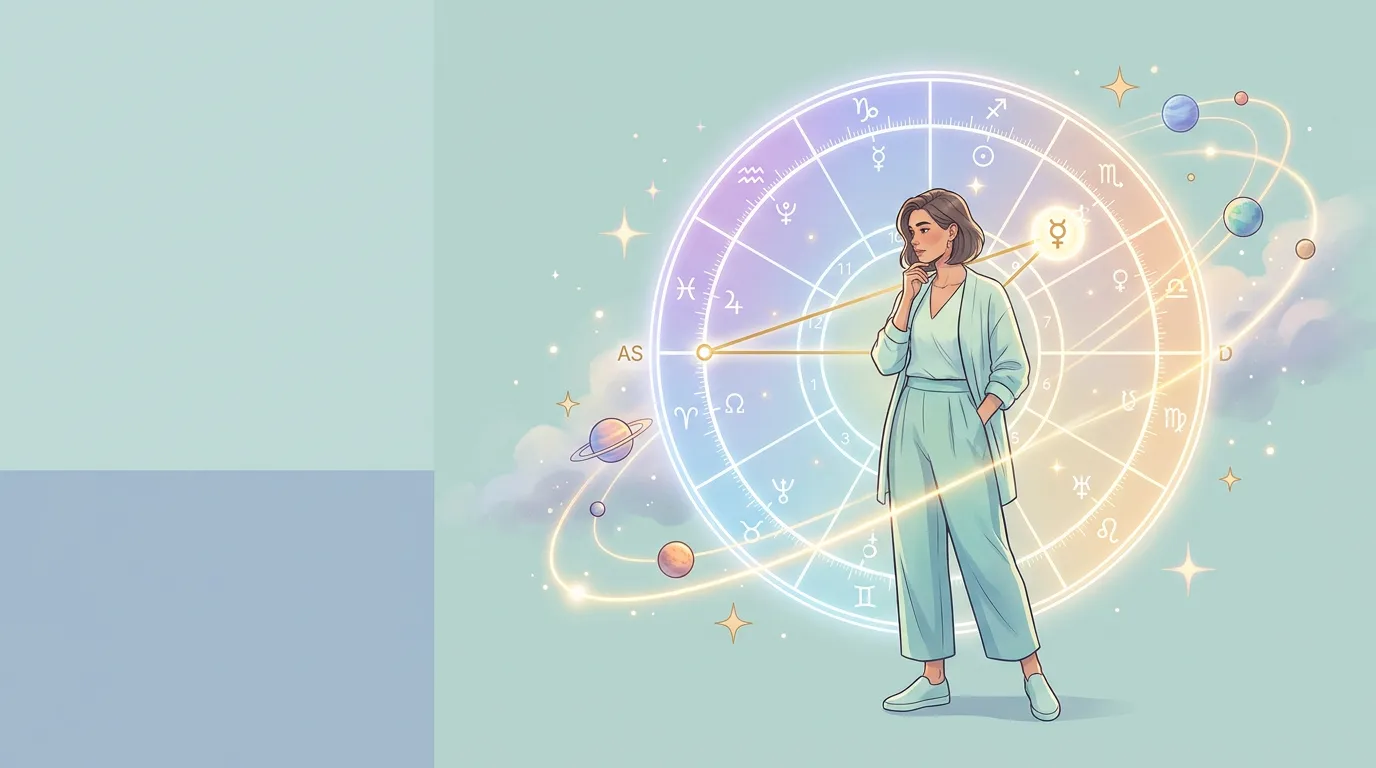
In astrology, your chart ruler is the planet that rules your Rising Sign, offering clues to your behavior, priorities, and direction in life. Your Rising Sign describes how you meet the world; your chart ruler shows how those qualities take shape through its sign, house, and aspects.

Chart Ruler in Astrology: How to Find Yours and What It Means
Essay 01

What Is a Chart Ruler in Astrology?

Your chart ruler is not another name for your Rising Sign: it is the planet traditionally assigned to rule that sign. The Rising Sign describes the style people may notice first, while its ruler points to where and how that style gets expressed. Your Sun Sign speaks more to core identity and vitality, so it can tell a different part of the story. Nor is the chart ruler automatically your “dominant planet”; that label usually refers to a planet judged especially influential across the whole chart. For example, a reserved Taurus Rising person with Venus in Gemini may come across calmly yet seek variety through witty conversation and changing interests.

Essay 02

How to Find Your Chart Ruler From Your Rising Sign

Start by identifying your Ascendant (Rising Sign) in a natal chart; then use its ruling planet. Aries—Mars; Taurus—Venus; Gemini—Mercury; Cancer—Moon; Leo—Sun; Virgo—Mercury; Libra—Venus; Scorpio—Mars in traditional astrology, Pluto in modern astrology; Sagittarius—Jupiter; Capricorn—Saturn; Aquarius—Saturn traditionally, Uranus in modern astrology; Pisces—Jupiter traditionally, Neptune in modern astrology. These are two approaches to rulership, not a reason to mix systems casually. Many astrologers begin with traditional rulers for a consistent chart reading, then consider Pluto, Uranus, or Neptune as modern co-rulers where relevant. If you have Scorpio Rising, for instance, check Mars first in a traditional reading and note Pluto as an additional lens.

Essay 03

How to Find Your Chart Ruler's Sign and House

Once you know the ruling planet, locate it in your birth chart. Use a natal-chart calculator or chart generated from your birth date, exact time, and birthplace; an inaccurate birth time can change the Ascendant and house placements. First, confirm the chart shows your Ascendant. Next, identify its ruler using the traditional or modern system you chose. Then find that planet's symbol in the chart or planet list: the sign beside it is its zodiac sign, and the numbered house containing it is its house. For example, Cancer Rising points to the Moon; if the Moon is listed in Virgo in the 3rd House, your chart ruler is in Virgo and the 3rd. This locates it; interpretation comes from combining both placements.

Essay 04

How Your Chart Ruler's Sign Shapes Your Expression

Your chart ruler's sign describes the style you bring to the areas of life it influences. The planet represents a function; its sign colors how you use it. With Mars in Aries, for example, a person may address workplace challenges directly, volunteer to lead, and prefer quick action over prolonged deliberation. Venus in Libra may approach social or romantic decisions by weighing both sides, seeking mutual agreement, and creating a welcoming atmosphere. Neither placement guarantees a particular personality. The rest of the chart matters, too. Still, the sign can explain why two people with the same Rising Sign seem to move through similar situations in noticeably different ways.

Essay 05

What Your Chart Ruler's House Says About Your Focus

The house containing your chart ruler points to a life area where your Rising Sign's energy often becomes especially visible. In the 1st House, attention may turn toward self-presentation and personal initiative; in the 4th, family life, privacy, or the search for a sense of home may take center stage. A 7th-House ruler can make partnerships and one-to-one collaboration prominent, while a 10th-House ruler may connect personal direction with career, public roles, or responsibility. For instance, someone whose chart ruler is in the 4th might make job choices partly around family needs, whereas a 10th-House placement may bring professional goals into everyday decisions.

Essay 06

How Aspects Modify Your Chart Ruler

Aspects show how your chart ruler interacts with other planetary functions, adding ease, tension, or emphasis to its expression. A conjunction with the Sun can tie personal direction closely to identity; a trine may make the connection feel more naturally supportive. A square with Saturn can describe friction around responsibility or confidence, while an opposition to the Moon may highlight competing needs between public plans and emotional comfort. These are interpretive possibilities, not fixed outcomes. In daily life, the pattern might show up as enthusiasm for a new role followed by caution about its demands, or as a pull between pursuing a goal and staying available to family.

Essay 07

How to Judge Your Chart Ruler's Strength and Condition

Assessing your chart ruler means looking at its condition, not assigning it a simple good-or-bad score. In traditional astrology, dignity describes how comfortably a planet operates: Mars in Aries, for example, is in its domicile, while Mars in Libra is in detriment; exaltation and fall are additional dignity categories. These terms describe style and resources, not guaranteed success or failure. A retrograde planet appears to move backward from Earth's view and may express its function less straightforwardly or more reflectively; it is not automatically weak. Also consider its house placement and aspects alongside dignity. A difficult condition can still become a source of skill through experience and conscious use.

Essay 08

How to Read Your Chart Ruler in the Full Birth Chart

Your chart ruler makes the most sense as part of the whole chart, not as a stand-alone verdict. Imagine Gemini rising, with Mercury in Virgo in the 4th house, trine a Capricorn Moon in the 8th and opposite Saturn in Pisces in the 10th; the Sun is in Leo in the 3rd. Gemini rising may meet people with curiosity, while Mercury in Virgo brings careful thought to home and family matters. The Moon trine can support steadiness with private concerns, while Saturn's opposition may make public responsibilities feel weighty. In practice, this person might prepare thoroughly before speaking at work, then need quiet time at home. Read each placement together; no single factor defines the whole person.

“Your Rising Sign is only the beginning—your chart ruler shows where its energy goes.”